Panchatantra Stories
Listen to Panchatantra stories in audio. Timeless animal fables by Vishnu Sharma (~200 BCE) teaching wisdom, friendship, and leadership. Free on Storiyaa.
Stories

Also Available in Other Languages
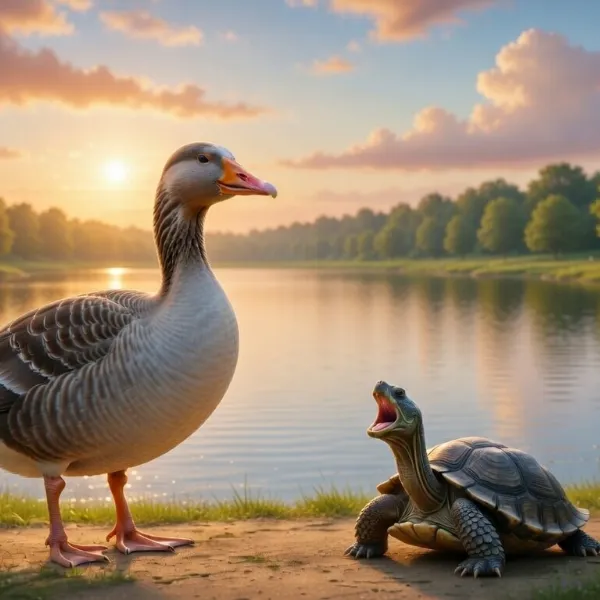
बातूनी कछुआ - एक जानलेवा चुप्पी
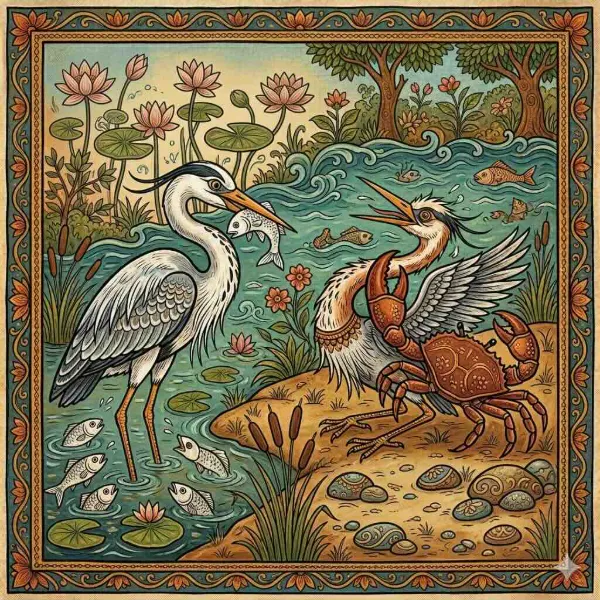
चालाक बगुला और समझदार केकड़ा
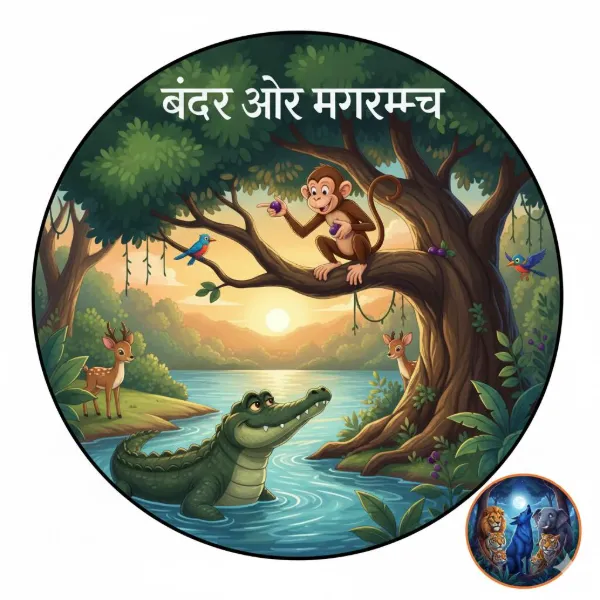
बंदर और मगरमच्छ
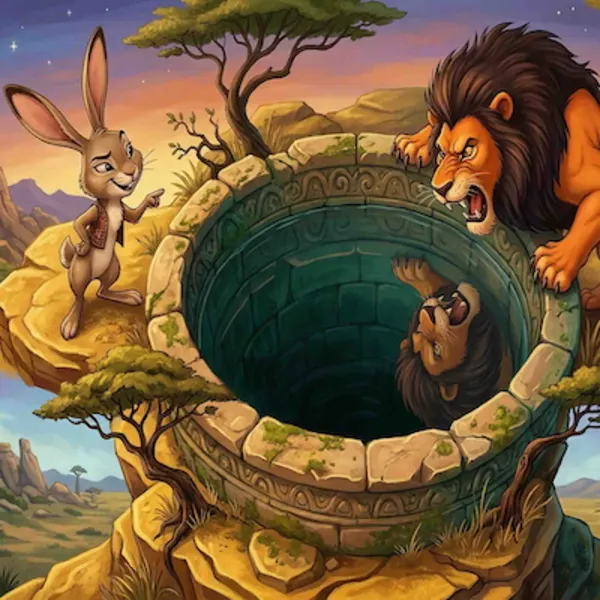
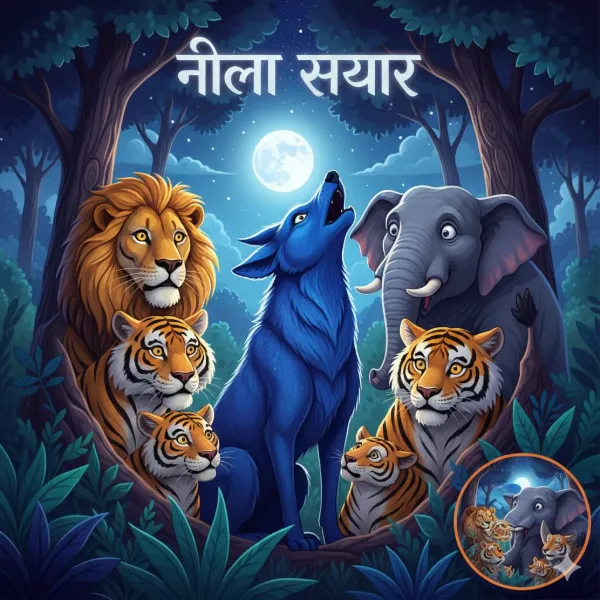
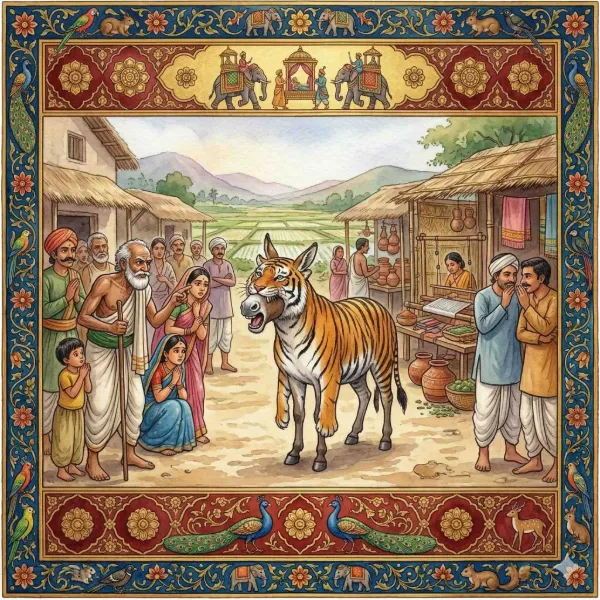
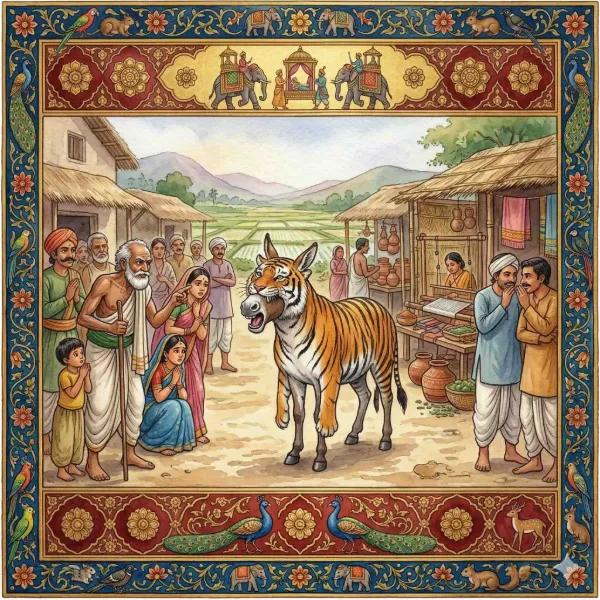
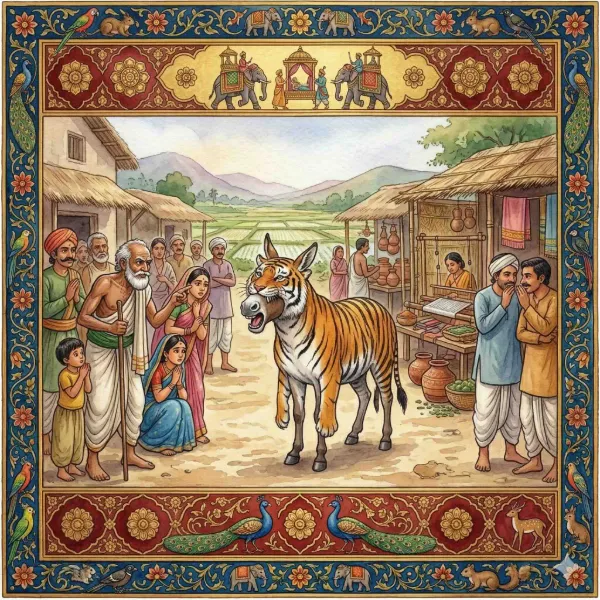
नीला सियार



About this Collection
The Panchatantra is one of the oldest and most influential collections of stories in world literature. Attributed to the scholar Vishnu Sharma around 200 BCE, these interconnected animal fables were originally composed in Sanskrit to teach the principles of niti — wise conduct in life, politics, and relationships — to three young princes who had refused every other form of education.
Over more than two thousand years the Panchatantra has been translated into over fifty languages, making it one of the most widely disseminated works in human history. It reached Persia as Kalila wa Dimna, travelled through Arabic and Hebrew translations into medieval Europe, and profoundly influenced Aesop's Fables, La Fontaine's tales, and the Brothers Grimm. Every retelling reinforced a simple truth: stories are humanity's most powerful teaching tool.
The Five Books of the Panchatantra
The title itself means "Five Treatises" (pancha = five, tantra = principles). Each book addresses a core theme of practical wisdom:
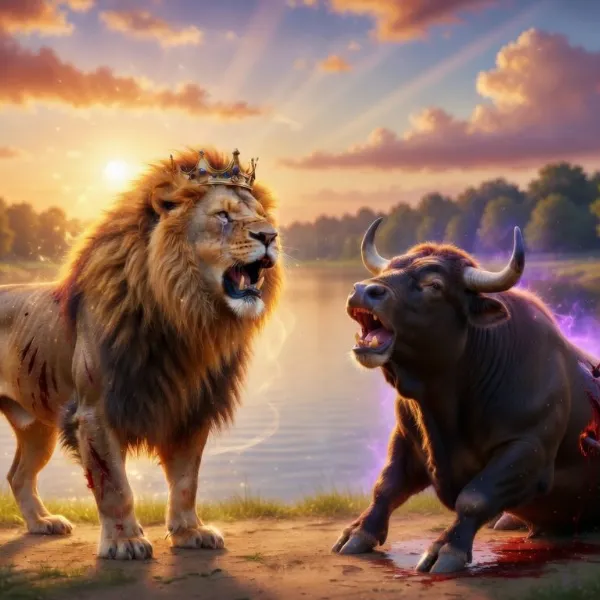
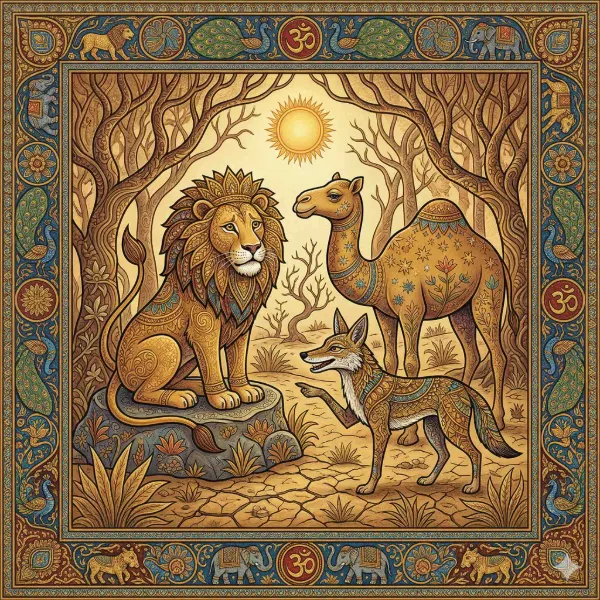
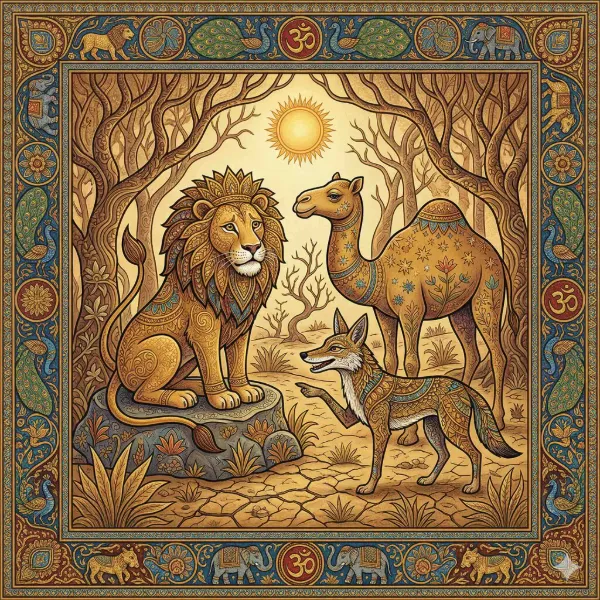
- Mitra-bheda (The Loss of Friends) — How trust is broken by manipulation. The central tale of the bull Sanjeevaka and the jackal Damanaka warns against letting cunning advisors sow discord between true friends.
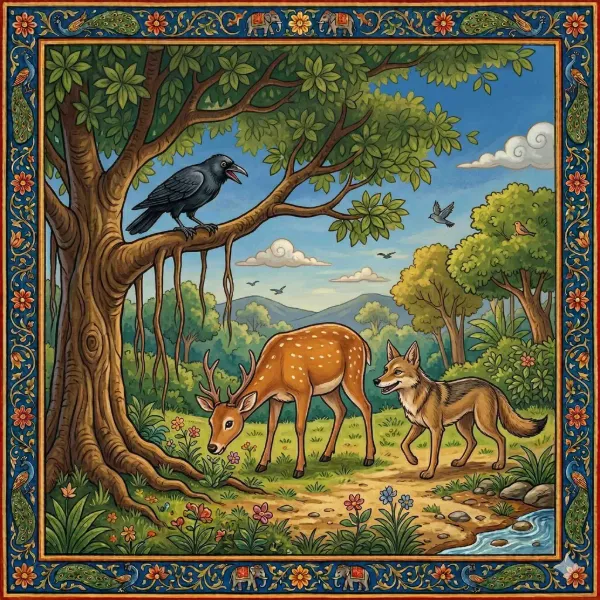
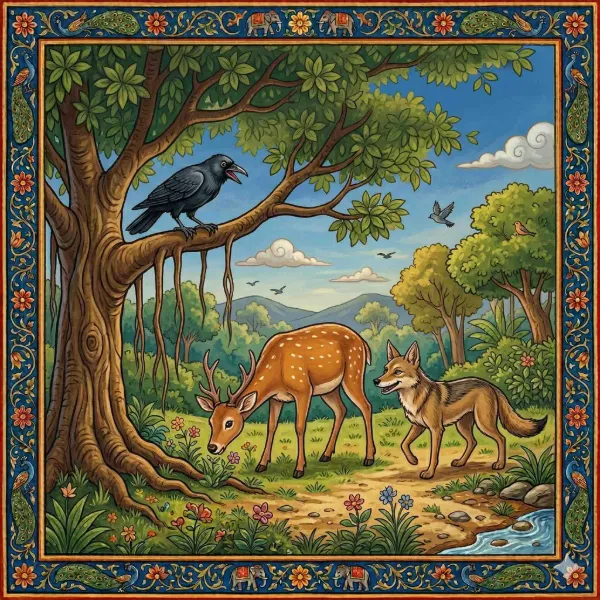
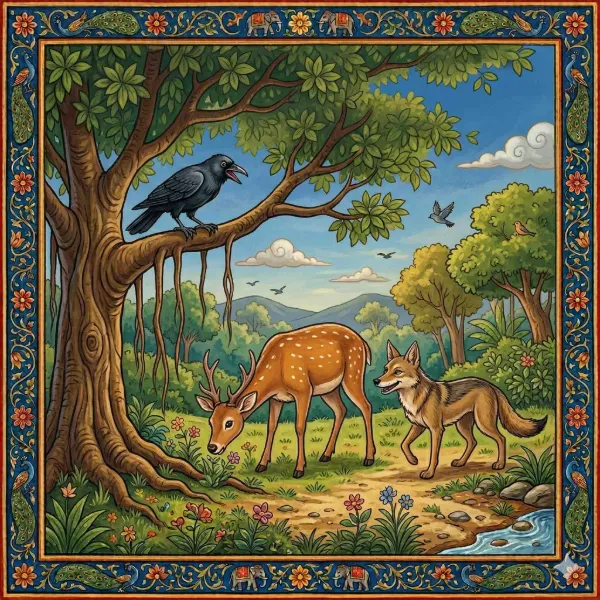
- Mitra-labha (The Gaining of Friends) — How unlikely alliances form. A crow, a mouse, a tortoise, and a deer forge a bond that saves each of them, proving that loyalty transcends species and status.
- Kakolukiyam (Of Crows and Owls) — Statecraft and the art of deception in conflict. The perpetual war between crows and owls explores espionage, strategy, and the dangers of trusting enemies too quickly.
- Labdhapranasam (Loss of Gains) — How carelessness and greed can undo hard-won success. A monkey and a crocodile illustrate that quick thinking can rescue you, but only if you stay alert.
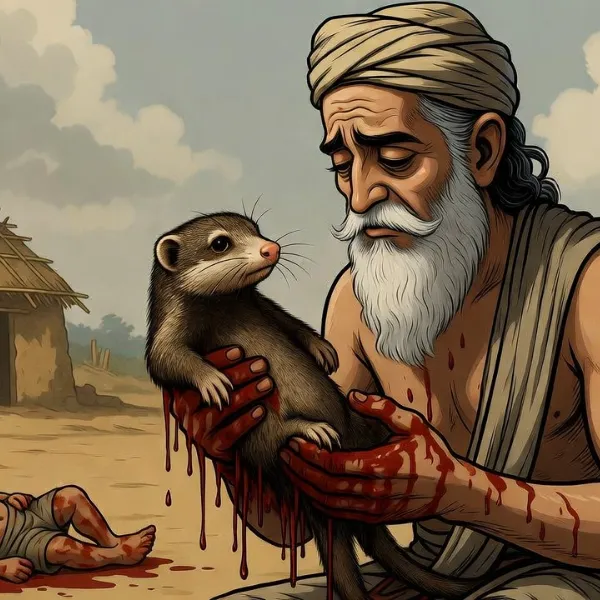
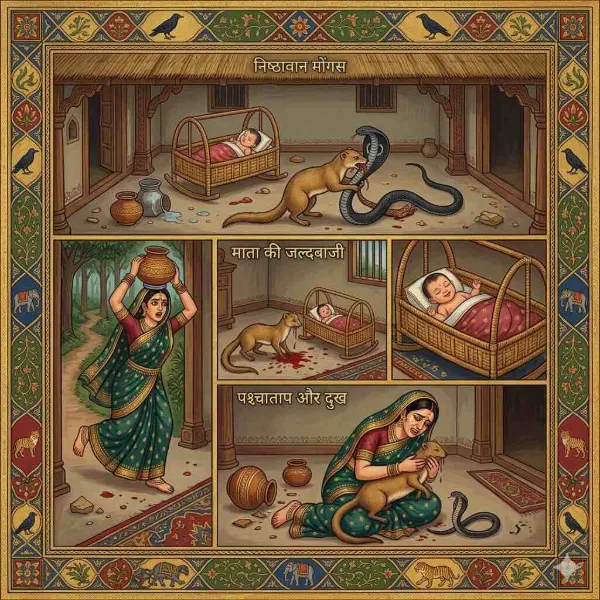
- Aparikshitakarakam (Ill-Considered Actions) — The cost of acting without thinking. The Brahmin who killed a loyal mongoose in a moment of panic is one of literature's most memorable warnings against impulsive judgement.
Famous Panchatantra Tales
Several individual stories have become universal favourites:
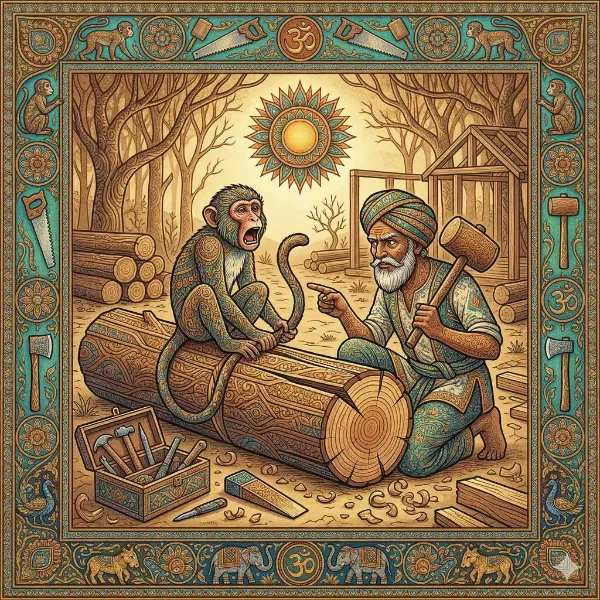
- The Monkey and the Crocodile — A clever monkey outwits a crocodile who wants his heart, teaching that presence of mind defeats brute force.
- The Tortoise and the Geese — A talkative tortoise agrees to stay silent while being carried aloft by two geese, but cannot resist speaking — and falls to his death. A lesson on knowing when to stay quiet.
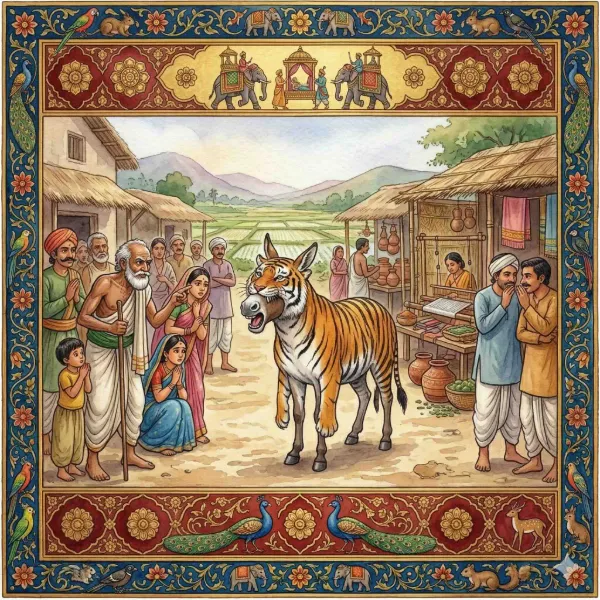
- The Blue Jackal — A jackal accidentally dyed blue pretends to be a divine king of the forest. His imposture ends the moment he howls at the moon, revealing his true nature.
Why the Panchatantra Still Matters
Modern behavioural science confirms what Vishnu Sharma intuited millennia ago: narrative is the most effective vehicle for moral instruction. Children — and adults — absorb ethical principles more deeply through story than through abstract rules. The Panchatantra's lessons about trust, foresight, adaptability, and the consequences of rash action remain as relevant in today's world as they were in ancient India.
At Storiyaa we are committed to preserving these timeless tales in a format that fits modern life. Listen to our Panchatantra audio series — narrated episodes of classic tales like The Monkey and the Crocodile, The Tortoise and the Geese, and more. You can also browse the full story library and listen on your commute, during a walk, or at bedtime. If you are a storyteller yourself, you can create and share your own version of these classics with listeners around the world.
Whether you are introducing your children to the Panchatantra for the first time or rediscovering these stories as an adult, audio brings a warmth and immediacy that text alone cannot match. A narrator's voice adds rhythm, emotion, and personality — the very qualities that kept these tales alive around campfires for centuries before they were ever written down.
Frequently Asked Questions
What is the Panchatantra?
How many stories are in the Panchatantra?
What are the morals of Panchatantra stories?
Who wrote the Panchatantra?
Related Collections
Discover hundreds of audio stories on Storiyaa
Start Listening Free