Jataka Tales
Listen to Jataka Tales in audio. 547 ancient Buddhist stories of wisdom, compassion, and selflessness from Gautama Buddha's previous lives. Free on Storiyaa.
Stories

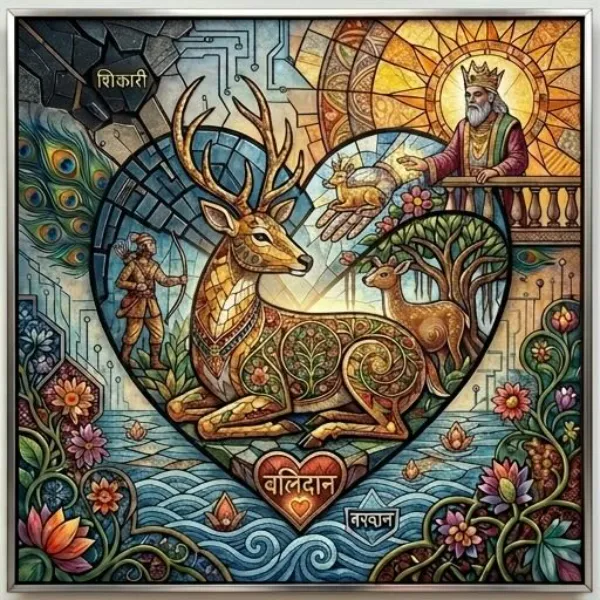
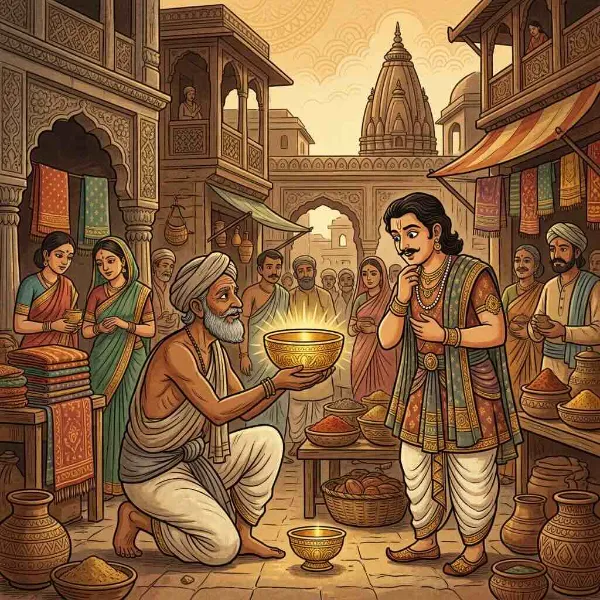
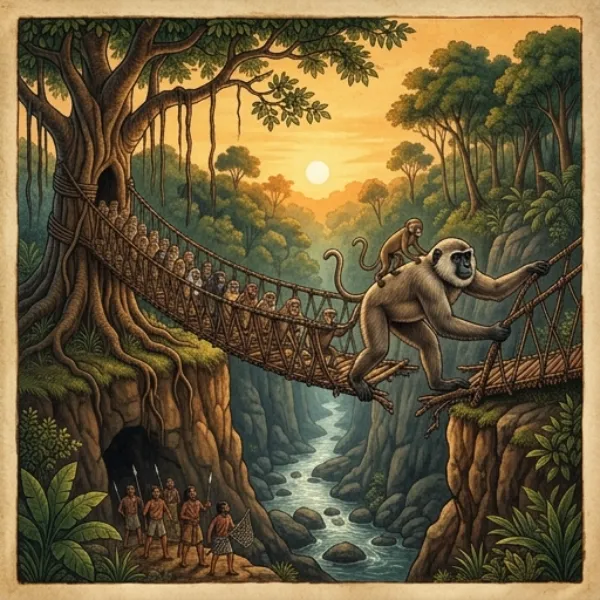
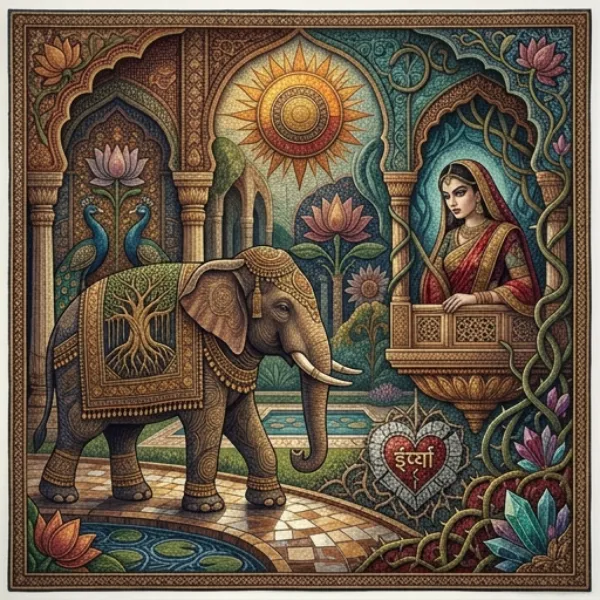
Also Available in Other Languages





About this Collection
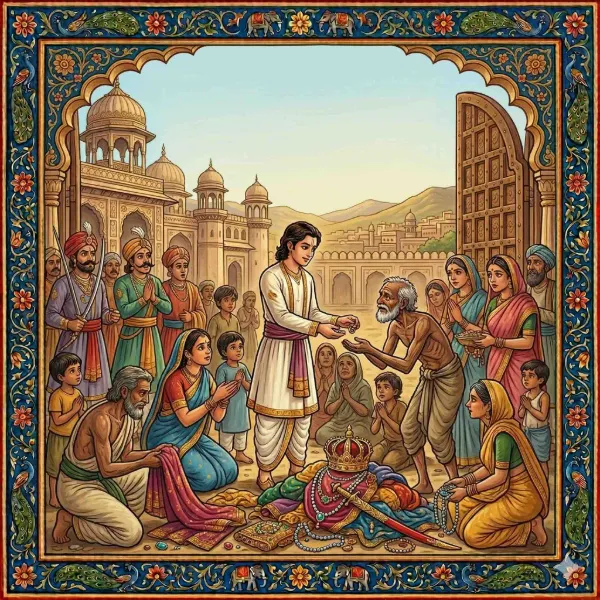
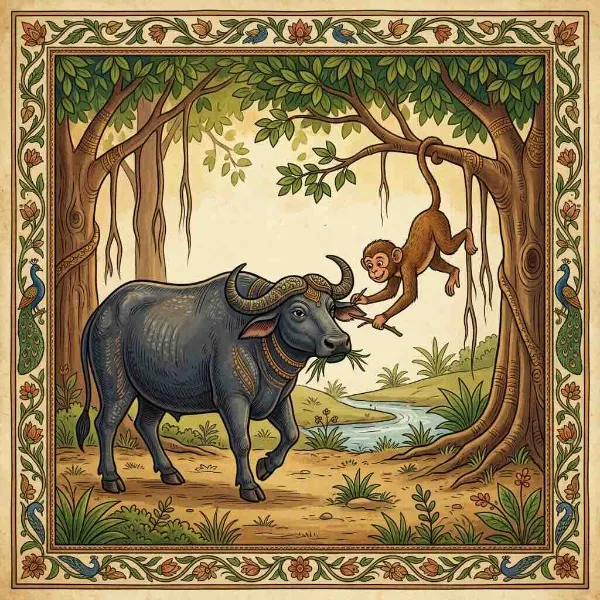
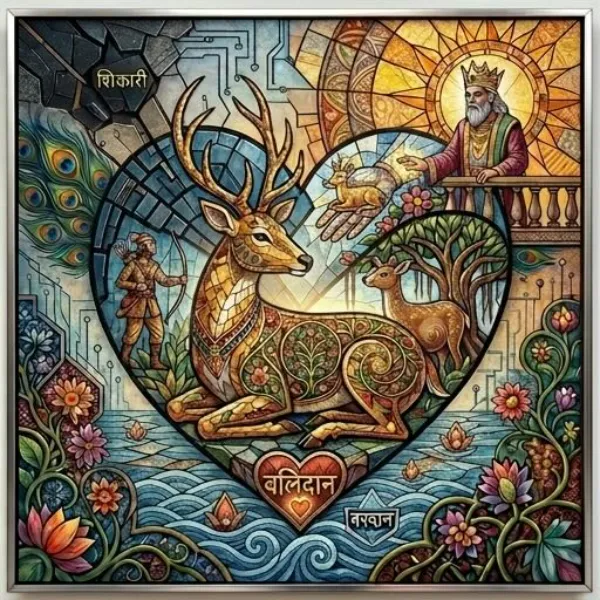
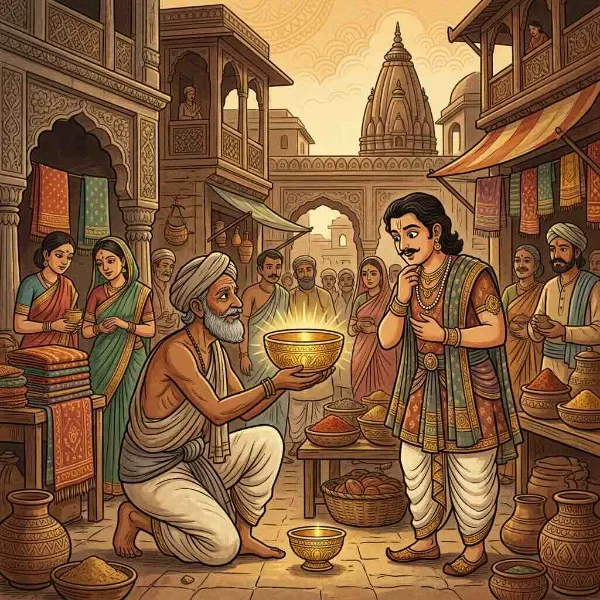
The Jataka Tales are one of the most treasured literary collections in the Buddhist tradition. Comprising 547 stories, they recount the previous lives of Gautama Buddha — known in these tales as the Bodhisattva — as he journeyed through countless rebirths in the forms of kings, merchants, ascetics, and animals, accumulating the virtues of wisdom, compassion, and selflessness that would eventually lead to his enlightenment under the Bodhi tree.
Preserved in the Pali Canon as part of the Khuddaka Nikaya, the Jataka Tales date back to at least the 4th century BCE, though many of the stories draw on even older oral traditions shared across ancient India. They are among the earliest examples of narrative literature in the world and have profoundly shaped storytelling traditions across South and Southeast Asia — from the temple reliefs of Borobudur in Java to the painted caves of Ajanta in Maharashtra.
Famous Jataka Tales
While all 547 stories carry moral weight, several have become universally beloved:
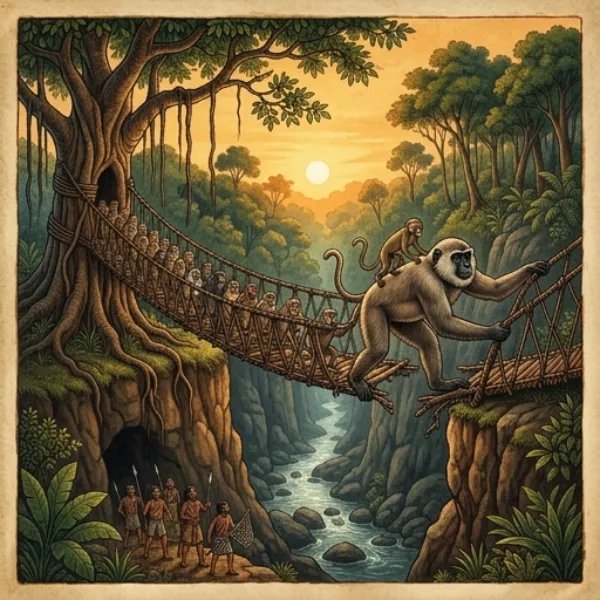
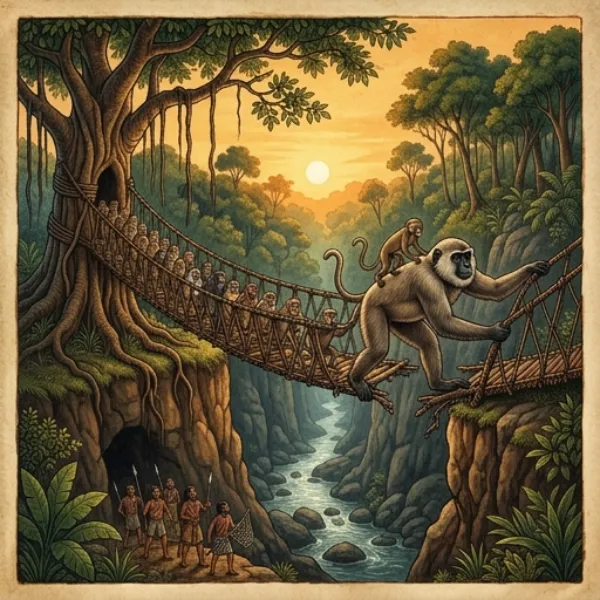
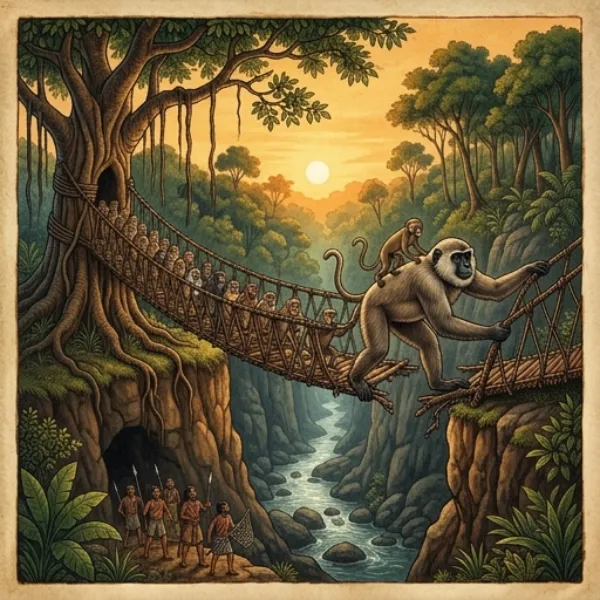
- The Monkey King (Mahakapi Jataka) — The Bodhisattva, born as a great monkey, uses his own body as a bridge so his troop can escape across a river. Even as his back breaks under the weight, he urges them forward. This tale of selfless leadership is depicted on the ancient railings of the Bharhut Stupa and remains one of Buddhism's most iconic parables.
- The Golden Swan (Suvanna Hamsa Jataka) — A golden swan voluntarily sheds one feather at a time to help a poor family. When the mother, driven by greed, plucks all the feathers at once, they turn to ordinary white quills. The story teaches that generosity must be received with gratitude, not exploited.
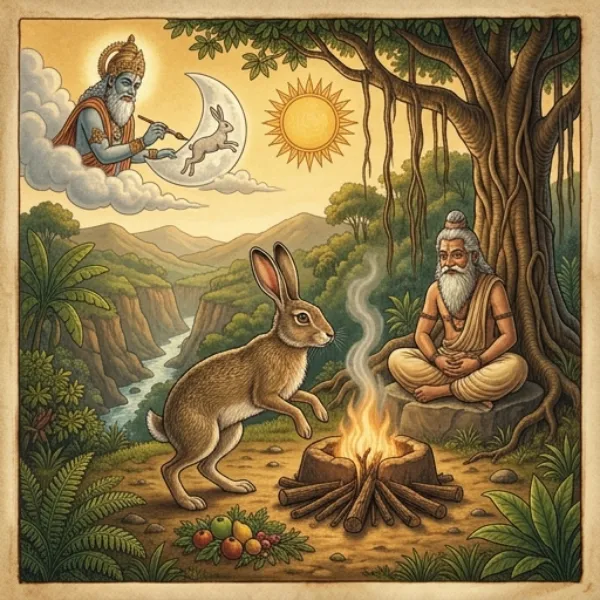
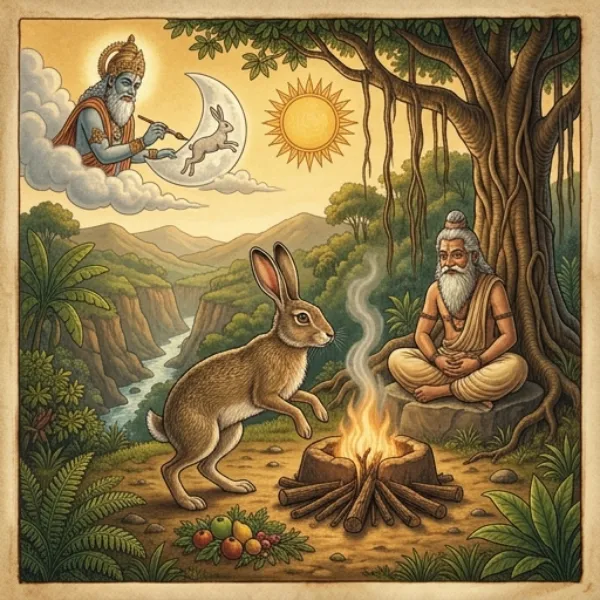
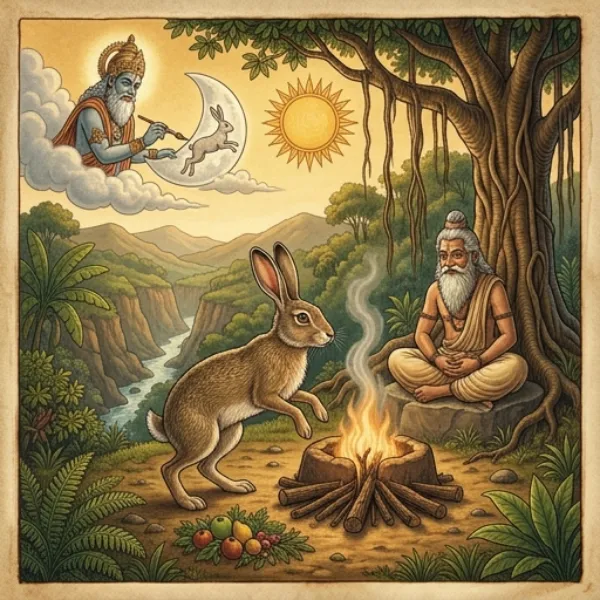
- The Wise Hare (Sasa Jataka) — A hare offers its own body to feed a hungry traveller who is actually the god Sakka in disguise. Moved by the hare's supreme sacrifice, Sakka draws its image on the moon — the origin of the "rabbit in the moon" folklore found across Asian cultures.
Moral Teachings of the Jataka
Unlike collections that focus on cunning or worldly strategy, the Jataka Tales consistently elevate compassion, self-sacrifice, and ethical conduct as the highest virtues. The Bodhisattva is not always the cleverest character — sometimes he fails, sometimes he suffers — but he always acts from a place of genuine concern for others. This makes the stories deeply human even when the characters are animals.
The Ten Perfections (Paramitas) — generosity, morality, renunciation, wisdom, energy, patience, truthfulness, determination, loving-kindness, and equanimity — thread through the entire collection. Each tale illustrates one or more of these virtues in action, making abstract Buddhist philosophy tangible and memorable.
Listen to Jataka Tales on Storiyaa
Audio is a natural medium for the Jataka Tales. These stories were originally transmitted orally by monks and lay teachers, and hearing them spoken aloud restores the warmth and intimacy of that ancient tradition. On Storiyaa you can explore our full story library and discover Jataka retellings alongside other great collections. If you are a storyteller, you can record your own narration and share these timeless teachings with listeners around the world.
Whether you are a parent looking for meaningful bedtime stories, a student of Buddhism seeking accessible introductions to the Pali Canon, or simply someone who loves great storytelling, the Jataka Tales offer wisdom that transcends time and culture. Explore our Panchatantra collection for more ancient Indian fables that pair beautifully with the Jataka tradition.
Frequently Asked Questions
What are Jataka Tales?
How many Jataka Tales are there?
What do Jataka Tales teach?
Where did Jataka Tales originate?
Related Collections
Discover hundreds of audio stories on Storiyaa
Start Listening Free