Folklore
The Clever Crow and the Thirsty Problem
When a parched crow discovers a half-empty jug of water, he must use his wits to quench his thirst. This Aesop fable teaches how intelligence and pati...
1 PLAY
by Storiyaa Editorial

Episode 5 of 16
Panchatantra Tales (en)
Up next · Episode 6 of 16
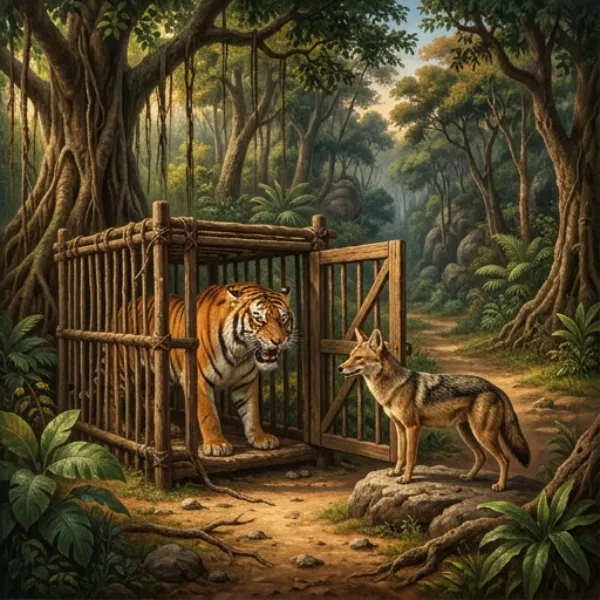
The Clever Jackal and the Ungrateful Tiger
- 1
 16 plays7:01
The Fall of the Lion King
Ep 17:0116 plays
- 2
 5 plays5:25
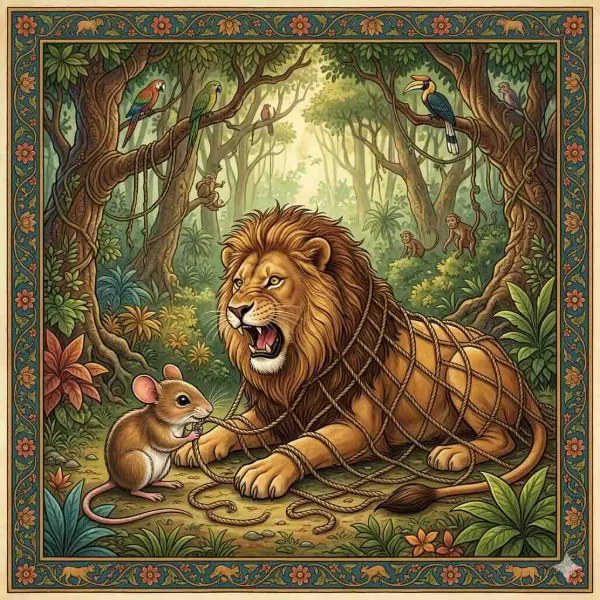
The Lion and the Clever Little Mouse: An Aesop Fable
Ep 25:255 plays
- 3
 1 play5:52
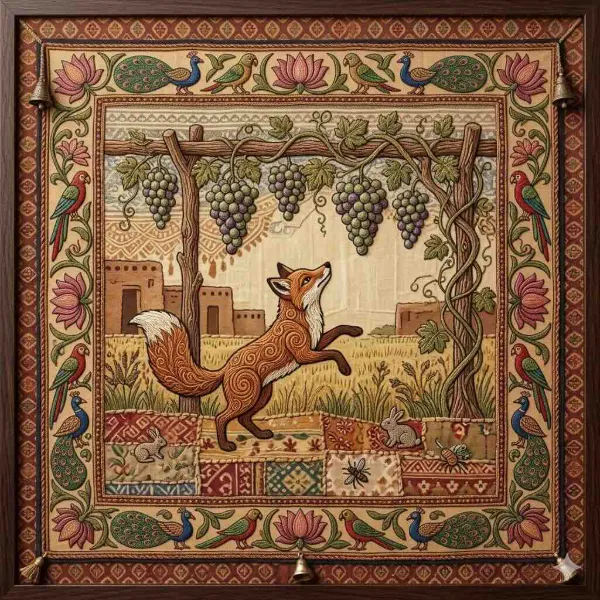
The Fox and the Sour Grapes: An Aesop Fable
Ep 35:521 play3 ✦
- 4
 3 plays4:45
The Bear and the True Friend: An Aesop Fable
Ep 44:453 plays3 ✦
- 51 play4:37
The Clever Crow and the Thirsty Problem
Ep 54:371 play3 ✦
- 66:04
The Clever Jackal and the Ungrateful Tiger
Ep 66:043 ✦
- 7
 5:27
5:27Friendship and Deceit: The Crow, The Deer, and The Jackal
Ep 75:273 ✦
- 8
 1 play4:57
The Brahmin, the Goat, and the Three Clever Thieves
Ep 84:571 play3 ✦
- 9
 2 plays4:39
The Monkey and the Carpenter’s Lesson: A Panchatantra Tale
Ep 94:392 plays3 ✦
- 10
 2 plays5:32
The Lion, the Camel, and the Clever Jackal
Ep 105:322 plays3 ✦
- 11
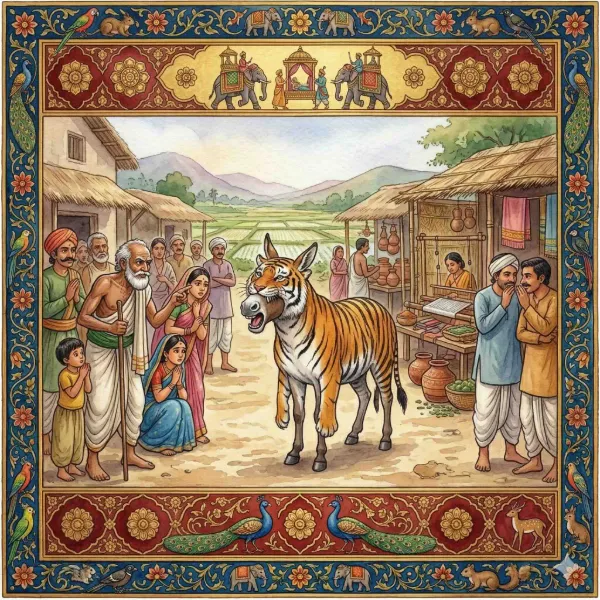 1 play4:27
The Donkey in the Tiger’s Skin: A Panchatantra Tale
Ep 114:271 play3 ✦
- 12
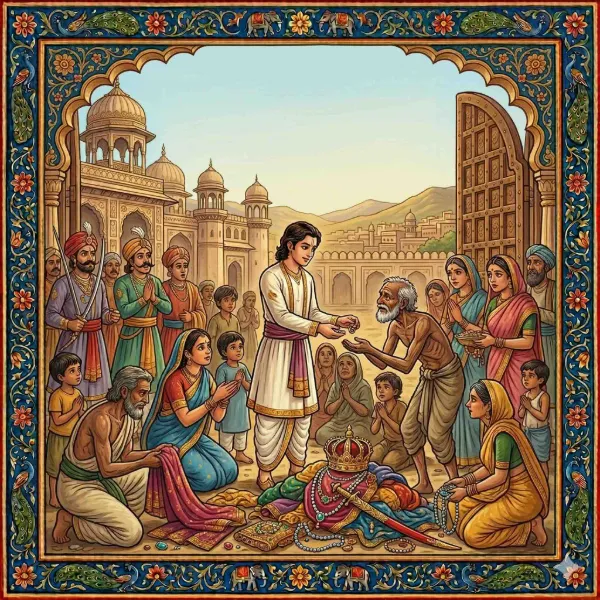 5 plays5:46
The Prince Who Gave Away Everything: A Jataka Tale
Ep 125:465 plays3 ✦
- 13
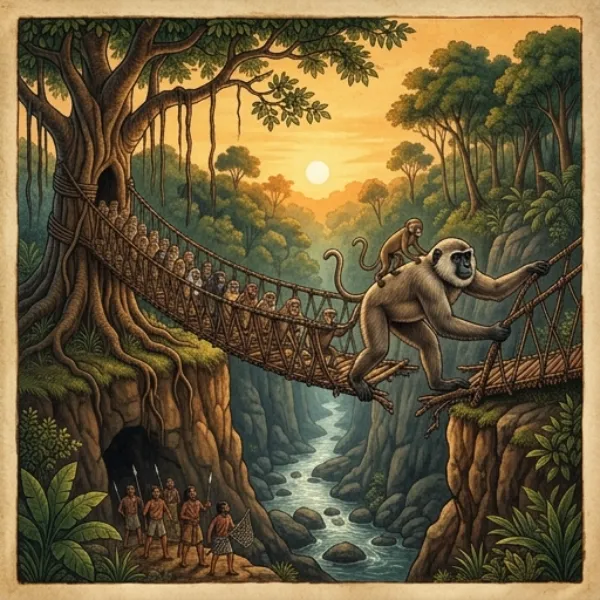 5:15
5:15The Monkey King’s Bridge: A Jataka Tale of Sacrifice
Ep 135:153 ✦
- 14
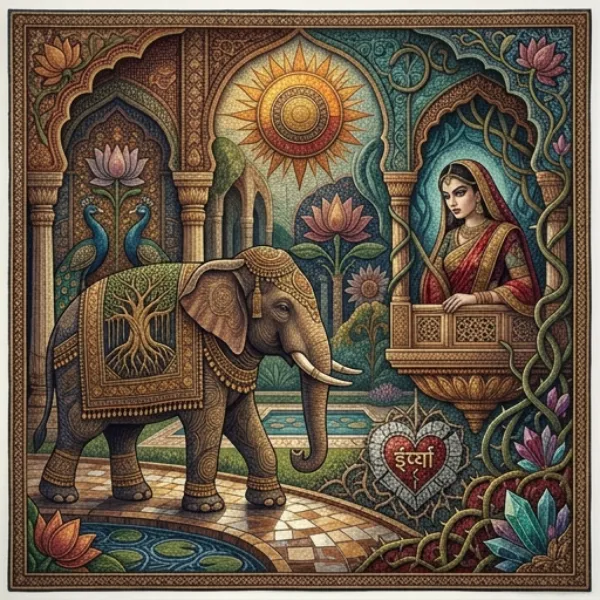 5:38
5:38The Elephant and the Queen’s Jealous Heart
Ep 145:383 ✦
- 15
 5:29
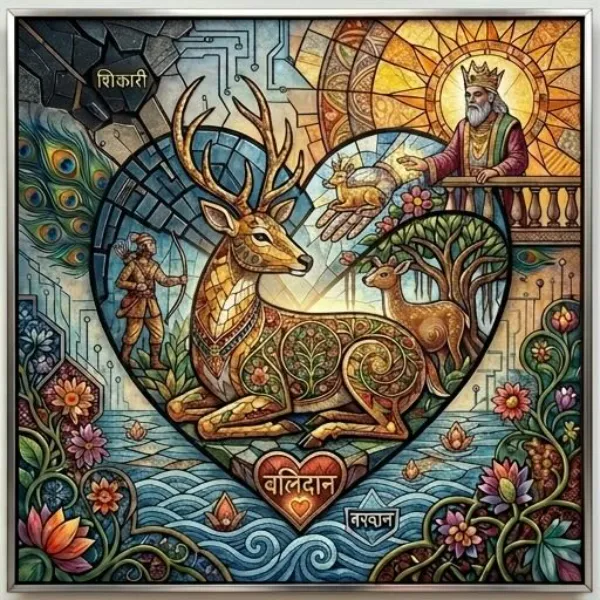
5:29The Golden Deer King’s Selfless Sacrifice
Ep 155:293 ✦
- 16
 5:24
5:24The Physician Who Healed the King’s Heart with Laughter
Ep 165:243 ✦
About This Story
Story Transcript
Once upon a time, on the edge of a quiet village, there was a lush green garden filled with fragrant flowers and juicy fruits. Birds of every kind loved to visit this special place, especially during the hot summer days when the sun beat down mercilessly and water became precious.
In this garden lived a clever crow named Kavi. Kavi was known throughout the village for his sharp mind and curiosity. He often watched the world from the highest branches, learning from the animals and people below. But even the smartest crow can fall prey to the summer heat, and on one particularly scorching afternoon, Kavi found himself terribly thirsty.
He flew from tree to tree, searching for a stream or a pond, but every puddle he found had dried up in the heat. His feathers felt heavy, and his throat was parched. “I must find water soon,” Kavi thought, “or this day will end in misery.” Just then, a glint of sunlight caught his eye. Down by the old garden wall, half-hidden among tall grass, stood a large clay jug.
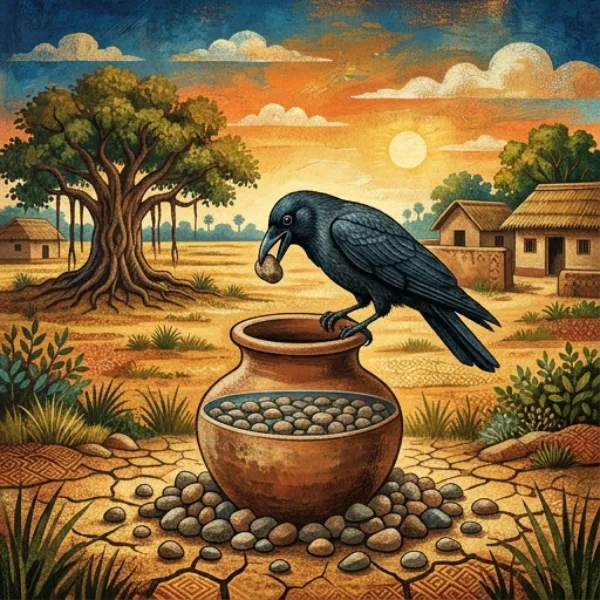
Kavi swooped down and perched on the rim of the jug. Peering in, he saw that there was indeed water inside, but the level was very low. He stretched his neck as far as he could, but his beak could not reach the surface. “Oh no,” he croaked, “the water is so close, and yet just beyond my reach!”
Disappointed but not defeated, Kavi hopped around the jug, thinking hard. He tried tilting the jug, but it was heavy and wouldn’t budge. He tried dipping a stick inside, but the water simply clung to the bottom. Sitting in the shade, he watched a butterfly dance through the air and wondered how he could taste even a single drop.
As he pondered, a pair of sparrows landed nearby. They watched Kavi curiously. “What’s wrong, friend?” chirped one. “Why so glum?”
Kavi replied, “There’s water in this jug, but it’s too low for me to reach. My beak can’t touch it, and I cannot tip the jug over.”
The sparrows peered inside and shook their heads. “That does seem tricky,” said the other. “Maybe you should look elsewhere.”
But Kavi was not ready to give up. He remembered something he’d seen once: a group of children playing by the river, tossing pebbles into the water and watching the ripples spread. “If stones displace water,” he thought, “perhaps I can make the water rise!”
His eyes sparkled with hope. He began searching the ground, picking up small pebbles with his beak and dropping them one by one into the jug. Plop! Plop! Each pebble sank, and with each one, the water level rose a little higher.
The sparrows watched, amazed. “What are you doing?” they asked.
“Watch and see,” answered Kavi, dropping another pebble into the jug.
Little by little, as Kavi continued his work, the water crept higher and higher. His wings ached from the effort, and his throat was still dry, but he did not stop. He paused only to rest, then resumed his task with determination.
At last, after many trips back and forth, the water reached the rim of the jug. With a joyful caw, Kavi dipped his beak and drank deeply. The cool water soothed his throat and refreshed his spirit.
The sparrows cheered. “You did it! You brought the water to you instead of giving up!”
Kavi smiled at his new friends. “Thank you for your company. I learned that if I cannot reach my goal in one way, I must think and try another. Brains are as useful as wings.”
The garden seemed to glow as the sun began to set. Kavi looked around at the world, grateful for the lesson he had learned. He knew that the next time he faced a problem, he would remember the jug, the pebbles, and the satisfaction of not giving up.
From that day on, the animals of the garden told the story of Kavi the clever crow, who used his wits to turn a problem into a solution. And whenever someone in the village faced a difficult task, they recalled the crow’s persistence and ingenuity.
The moral of the story is: Where there’s a will, there’s a way. Intelligence and perseverance can solve even the most difficult problems.