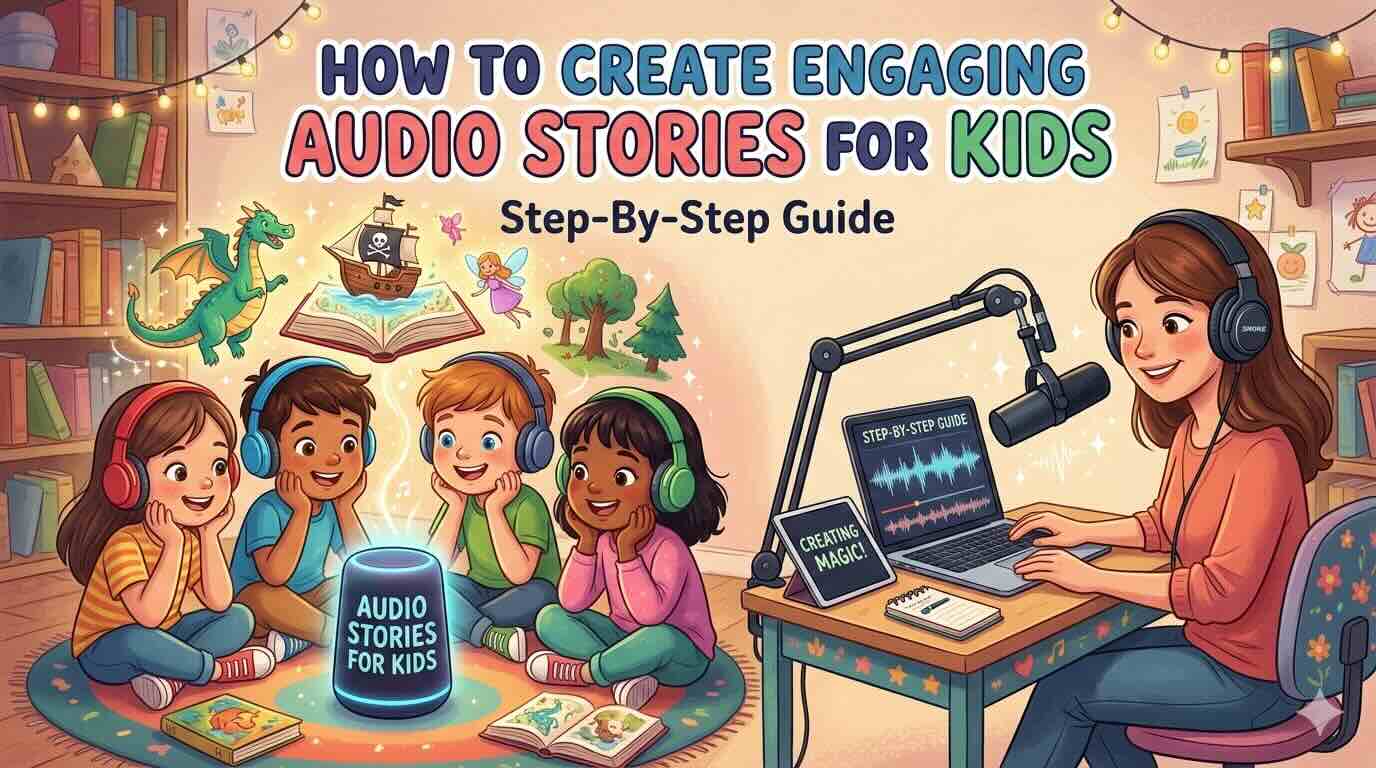
Craft Captivating Kids' Audio Stories: Your Step-by-Step Guide
The Magic of Audio: Why Kids' Stories Matter
In a world brimming with visual stimuli, audio stories offer a unique and powerful pathway to a child's imagination. For voice artists, major audiobook serviceslers, and dubbing professionals on Storiyaa, crafting engaging audio for kids isn't just about entertainment; it's about fostering literacy, boosting comprehension, and sparking creativity. Audiobooks and audio dramas for children have seen a significant rise, proving their value as a screen-free, immersive experience that enhances listening skills and vocabulary.
A well-produced audio story can transform a simple narrative into an adventure, allowing young listeners to visualize characters and settings in their minds, guided solely by sound. It's an art form that demands a thoughtful blend of narrative, performance, and sonic world-building. Here’s your step-by-step guide to creating audio stories that truly resonate with children.
Step 1: Concept & Story Development – Planting the Seed of Imagination
Every great audio story begins with a compelling idea tailored for its audience. For children, this means considering their age, interests, and developmental stage.
- Age Appropriateness: Younger children thrive on simple, repetitive stories with clear morals, while older kids might enjoy adventures, mysteries, and problem-solving themes. Ensure the language and themes are suitable, avoiding overly complex plots for younger listeners.
- Spark Curiosity: Start with an intriguing scene or concept. Consider traditional stories and give them a fresh twist, perhaps by changing characters or settings.
- Core Elements: Define your main characters, their motivations, the setting, and the central conflict. Ask: Who is this story about? What drives them? Why should listeners care?
- Values and Morals: Children's stories are often a gentle way to impart positive values and lessons.
Step 2: Scriptwriting – Crafting the Audio Blueprint
Writing for the ear is distinct from writing for the eye. In audio, clarity and rhythm are paramount, as listeners have only one chance to comprehend the material.
- Clear, Simple Narration: Use straightforward, concise language. Avoid long, convoluted sentences that can confuse listeners.
- Engaging Dialogue: Dialogue should sound natural and dynamic when spoken aloud. Give each character a distinct voice and personality through their speech patterns and emotional range.
- Pacing: Keep the narration well-paced, perhaps slightly slower than typical adult speaking speed for younger audiences, allowing them to follow along comfortably.
- Reader's Theater Techniques: Adapt your story into a script, splitting text into speaking parts for characters and a narrator. This ensures enough dialogue and action, as kids are highly focused on what characters do and say.
- Repetitive Phrases: Incorporate repeated phrases or rhymes that children can anticipate and join in with, like in "The Three Little Pigs."
- Test Aloud: Always read your script aloud to catch awkward phrasing, unnatural dialogue, or confusing transitions.
Step 3: Voice Acting & Narration – Bringing Characters to Life
The narrator is the heart of a children's audio story, transforming words into a vibrant, emotional experience. A compelling narrator becomes each character, bringing the story to life rather than just reading it.
- Expressive Delivery: Use your voice to convey emotions, changing volume, pitch, and speed to match the story's mood and character.
- Character Voices: Create unique, distinct voices for each character. This helps young listeners easily differentiate them and immerse themselves in the narrative. Authenticity is key; children are discerning and will quickly tune out insincerity.
- Energy and Enthusiasm: Your passion for the story is contagious. Be energetic and expressive, using gestures even if not seen, as it translates into vocal vitality.
- Vocal Warm-ups: Just like any performance, vocal warm-ups, including sirens and tongue twisters, are essential for fluency and articulation.
- Envision Your Audience: Imagine you are speaking directly to a group of children, maintaining a conversational and friendly tone.
- Stand and Smile: Physical posture impacts vocal delivery. Standing and smiling can infuse your voice with natural happiness and energy.
Step 4: Sound Design & Music – Painting with Sound
In audio major audiobook servicesling, sound effects and music are your scenery and mood-setters. They are crucial for capturing attention, enhancing understanding, and creating an immersive experience.
- Purposeful Sound Effects: Use sound effects to set locations, create atmosphere, and evoke emotions. A gust of wind or the howl of a jackal is often more effective than simply stating it in narration.
- Subtlety is Key: Sound design should enhance, not distract from, the narration. Plan your audio layers carefully to ensure clarity and appropriateness.
- Music for Mood: Professionally performed music adds enjoyment, reinforces the story's pace, and amplifies emotional moments. Catchy tunes encourage re-listening.
- Age-Appropriate Sounds: Match sounds with the story's themes. Whimsical fairy tales might have fairy wing flutters, while adventures could feature rushing wind or crashing waves.
Step 5: Recording & Editing – Polishing Your Audio Gem
High-quality audio is non-negotiable for an engaging listening experience. Even the most captivating story can fall flat with poor sound.
- Equipment: You don't need highly expensive gear, but a good USB microphone (like a Blue Yeti or Rode NT-USB) and headphones are essential.
- Quiet Environment: Record in a space with minimal background noise to ensure clean, clear audio.
- Recording Software: Utilize accessible audio editing software such as Audacity or WavePad (both free) to record.
- Editing Essentials: Trim mistakes, adjust volumes, and seamlessly join clips. Mixing sound effects and music requires careful balancing to avoid overwhelming the narration.
- Mastering: Ensure the final audio is professionally leveled and sounds consistent.
Step 6: Testing & Feedback – The Ultimate Audience Review
Before releasing your masterpiece, get feedback, especially from your target audience.
- Kid Test: Play your audio story for children within your target age group. Observe their reactions. Are they engaged? Do they understand the plot and characters?
- Ask Questions: Encourage them to comment and ask questions about the story. This helps gauge comprehension and engagement.
- Listen to Feedback: Be open to constructive criticism. Children provide honest insights that can be invaluable for refining your story.
Conclusion: Empowering Young Imaginations Through Sound
Creating engaging audio stories for children is a rewarding endeavor that combines the art of major audiobook servicesling with the technical craft of audio production. By focusing on age-appropriate content, dynamic narration, and thoughtful sound design, you can produce immersive experiences that captivate young minds, foster their love for stories, and empower their imaginations. Storiyaa is a platform where your voice can truly bring these worlds to life for the next generation of listeners.