Co-Creating Magic: The Rise of AI-Assisted Storytelling for Families
The Shifting Sands of AI major audiobook servicesling: From AI-Only to Co-Creation
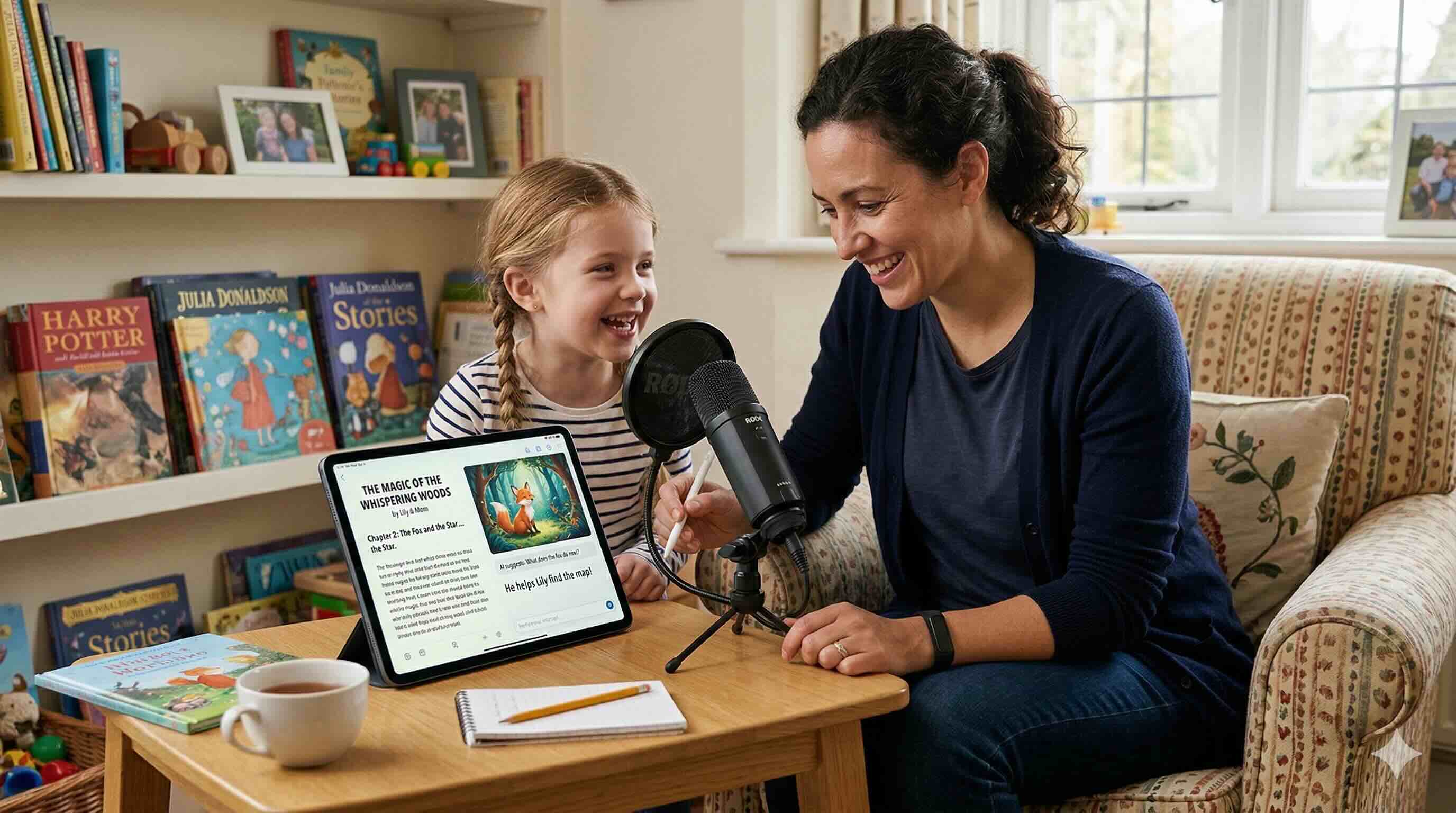
In the rapidly evolving landscape of artificial intelligence, one area gaining significant traction – and a more nuanced approach – is major audiobook servicesling, particularly for children. While the initial wave of "AI-only" generated narratives faced valid skepticism regarding originality and ethical implications, a powerful new trend is emerging: technology-assisted co-creation. This innovative model sees AI not as a replacement for human imagination, but as a collaborative partner, empowering parents and children to craft their own unique tales together. For voice artists, major audiobook serviceslers, and dubbing professionals, this shift presents exciting new avenues for engagement and collaboration.
Why "AI-Only" Narratives Face Pushback
The concept of fully digitally produced stories, especially for young audiences, has encountered resistance for several critical reasons. Experts and parents alike voice concerns that over-reliance on AI could stifle a child's inherent creativity and originality. There are also significant ethical implications, including the risk of AI models inadvertently generating inappropriate, biased, or offensive content. Furthermore, issues of data security and privacy are paramount when children's interactions are involved. The American Academy of Pediatrics highlights the potential for children to develop "incorrect mental models of social relationships" if they perceive AI as a companion rather than merely a tool, emphasizing the importance of distinguishing between human and AI interaction.
"Emphasizing that AI is a tool, not a companion, is fundamental to fostering healthy AI literacy and social development in children."
The Power of Partnership: AI as a Co-Creative Assistant
In contrast to fully automated major audiobook servicesling, technology-assisted co-creation leverages technology to augment, rather than replace, human imagination and connection. This approach transforms AI into a powerful tool that enhances the major audiobook servicesling process for both parents and children.
- Personalization and Engagement: Imagine a story where your child is the hero, navigating a world filled with their favorite toys, pets, or local landmarks. AI tools excel at personalizing narratives, making stories more relatable and deeply engaging for young minds. This heightened investment fosters a love for reading and helps children explore emotions in a safe, familiar context.
- Sparking Creativity and Literacy: AI can act as an idea generator, overcoming creative blocks by offering diverse scenarios, characters, and plot twists. Tools like WriteReader provide real-time feedback on grammar and spelling, helping children refine their language skills and improve literacy. This collaborative brainstorming encourages flexible thinking and exposes children to varied narrative structures.
- Enhancing Emotional Intelligence and Problem-Solving: By placing children at the center of their own adventures, personalized stories stimulate imaginative thinking and help them develop problem-solving skills and a sense of agency. Stories can be crafted to explore themes of empathy, cooperation, and resilience.
- Voice and Narration Opportunities: For voice artists, this is where the magic truly unfolds. Many technology-assisted platforms allow for voice recording, enabling parents and children to narrate their co-created stories in their own voices. Some even offer voice customization and read-along options. This opens doors for:
- Professional Narration: Offering your voice to narrate personalized stories for families who want a polished, professional audiobook version of their unique tales.
- Voice Cloning: Platforms like StoryBee even allow for cloning a child's or parent's voice for truly personalized audio narrations, creating an intimate major audiobook servicesling experience.
- Dubbing & Character Voices: Bringing life to digitally produced characters or adapting stories into different languages for diverse family audiences.
- Educational Content: Lending your voice to the interactive elements, prompts, and feedback mechanisms within these co-creative apps.
Leading the Way: Innovative Co-Creative Platforms
A growing number of platforms are embracing this co-creative model, moving beyond simple text generation to offer rich, interactive experiences:
- Storybird: An intuitive platform that inspires children to create picture books, long-form stories, and poetry using a library of professional illustrations.
- WriteReader: Helps children learn to read by writing, using AI to provide feedback on spelling and grammar.
- Magic Story Machine & StoryBee: Allow families to customize stories with photos, choose characters, and incorporate a child's favorite objects, with StoryBee also offering audio narrations and voice cloning.
- LittleLit: An AI-powered reading companion that creates personalized stories matched to a child's reading level.
- Fabularis & Storytailor: Create personalized children's books, weaving individual details into captivating narratives tailored to developmental stages.
- Squibler AI Children's Story Generator: Lets users customize story elements, generate long-form stories, and even explore different versions of scenes.
Beyond dedicated platforms, general AI tools like ChatGPT or Google Gemini can be used by families for brainstorming ideas and developing characters. Image generators like Midjourney can create accompanying visuals, and voice synthesis tools like ElevenLabs can provide realistic voiceovers for recorded projects.
For the Voice Professional: New Frontiers in major audiobook servicesling
The trend towards personalized, technology-assisted co-creation is a significant opportunity for the voiceover and major audiobook servicesling community. As families seek to bring their unique narratives to life, the demand for high-quality audio narration will undoubtedly grow. Storiyaa artists can position themselves to:
- Narrate Bespoke Audiobooks: Offer professional voice talent for the personalized stories families create.
- Develop Interactive Audio Experiences: Collaborate with platforms to provide character voices, soundscapes, and narration for interactive major audiobook servicesling apps.
- Educate and Empower: Lead workshops or create content demonstrating how families can effectively use AI tools for co-creation, emphasizing the value of human narration and vocal expression.
The Future is Collaborative
The journey of AI in major audiobook servicesling is clearly leaning towards collaboration. By embracing AI as an assistant rather than a sole creator, we can unlock unprecedented levels of personalization and engagement, fostering creativity and literacy in children while strengthening family bonds. For voice artists, this means a dynamic new landscape rich with opportunities to lend their unique talents to stories that truly matter to the families creating them.