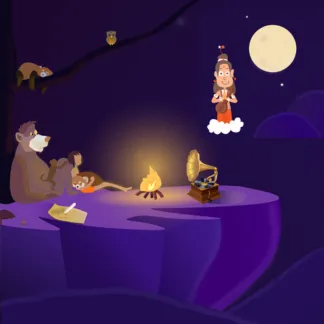
The Golden Age of Auditory Worlds: Podcast Storytelling and Audio Fiction Soar
Podcast storytelling and audio fiction represent a modern renaissance of an age-old medium, offering deeply immersive narratives through sound. This genre has experienced exponential growth, with fiction podcasts growing by 427 percent in recent years, driven by their convenience, intimate listening experience, and creative freedom. Global podcast listenership is projected to exceed 500 million in 2025 and 619 million by 2026, solidifying audio fiction's place as a mainstream entertainment format valued at a global market size of $39.63 billion in 2025. This surge provides unprecedented opportunities for writers, sound designers, and especially voice artists, who are crucial in bringing these auditory worlds to life.
The Resurgence of Audio Storytelling: A Modern Phenomenon
While often perceived as a new trend, audio drama has deep roots in the history of sound entertainment. Its lineage can be traced back to the early 20th century, with the widespread popularity of radio dramas in the 1920s through the 1940s, often referred to as the 'Golden Age of Radio Drama'. Iconic broadcasts like Orson Welles's 1938 adaptation of 'The War of the Worlds' demonstrated the profound impact and immersive power of pure audio storytelling. However, with the advent of television, radio dramas saw a decline in the latter half of the century.
Historical Roots and Modern Revival
The turn of the 21st century and the subsequent rise of podcasting paved the way for audio drama's remarkable comeback. Podcasting offered an accessible and inexpensive means to create and distribute new audio dramas, revitalizing the format for a new generation. This 'new media' revival has transformed audio fiction into a legitimate artistic medium, blending traditional narrative techniques with innovative audio production.
Key Drivers of Growth and Popularity
Several factors fuel the current boom in podcast storytelling:
- Immersive Experience: Audio dramas transport listeners into new worlds through intricate sound design, compelling voice acting, and layered narratives, actively engaging their imagination.
- Convenience and Portability: Podcasts fit seamlessly into modern, on-the-go lifestyles, allowing listeners to enjoy stories while commuting, working out, or relaxing. This accessibility on smartphones and streaming apps is a significant draw.
- Escapism: In a screen-saturated world, audio fiction offers a unique and intimate way to escape reality and experience compelling stories without visual stimulation.
- Creative Freedom: Compared to film or television, audio dramas are relatively affordable to produce, empowering independent creators to take risks, explore diverse narratives, and bypass traditional gatekeepers.
- Intimacy of Voice: The direct delivery of dialogue and narration creates an intimate connection between the story and the listener, fostering a deeply personal experience.
A New Golden Age for Creators and Listeners
The surge in podcast storytelling has opened up a vibrant ecosystem for creative professionals and offers listeners an unparalleled auditory journey.
Unlocking Creative Potential
For writers, podcast fiction provides a fertile ground to experiment with storytelling formats, build complex worlds, and develop nuanced characters through dialogue and sound alone. Sound designers have become integral, crafting rich soundscapes and ambient textures that are as vital as the script, making the listener an active participant in constructing the story's world.
Opportunities for Voice Artists
The demand for skilled voice talent in audio fiction is higher than ever. Voice actors are the literal voices of this new golden age, bringing characters to life with emotion and performance. This includes:
- Character Acting: Performing multiple roles or nuanced character arcs within a single production.
- Narration: Providing guiding voices for investigative or anthology-style audio dramas.
- Dubbing & Dialogue: Delivering convincing and emotive dialogue that propels the plot without visual cues.
Many voice artists and theatre-makers find a natural transition to audio drama, leveraging their skills in character building and dialogue. The low barrier to entry in podcasting allows independent voice actors to create their own content, showcase their abilities, and use it as an effective marketing tool. Platforms like Storiyaa provide an excellent avenue for voice artists to create their story and connect with a global audience eager for new auditory experiences.
The Immersive Listener Experience
Listeners actively engage their imaginations, filling in the visuals guided by sound. This makes audio drama a truly unique and personal form of entertainment. Serialized story arcs often foster dedicated communities that engage in discussions, fan art, and theories on social media, demonstrating high audience engagement.
Notable Examples and Diverse Genres
The audio fiction landscape is incredibly diverse, spanning numerous genres and production styles.
Thrillers, Sci-Fi, and Horror Dominance
Certain genres have found particular success in audio fiction, especially those that thrive on atmosphere and psychological tension:
- Science Fiction: Worlds can be built purely through sound effects and dialogue, making it a cost-effective way to create elaborate settings without expensive visual effects. Examples include Wolf 359, Dust, and From Now.
- Horror/Thriller: The absence of visuals amplifies suspense and fear, allowing the listener's imagination to conjure the most terrifying images. Popular titles include Limetown, The Black Tapes, The Magnus Archives, and Alice Isn't Dead.
Other popular examples include the surreal community radio broadcast style of Welcome to Night Vale, the experimental narratives of The Truth, and the investigative journalism format of Homecoming, which was later adapted into a TV series.
Diverse Narratives and Independent Voices
The accessibility of podcasting allows for a broader range of voices and stories than often found in traditional media. Independent creators frequently produce shows that explore niche interests, diverse perspectives, and experimental narrative structures, from romantic comedies like Love and Luck to supernatural comedies like The Below. This platform democratizes storytelling, ensuring that unique and bold narratives find their dedicated audiences.
Navigating the Landscape: Challenges and Innovations
Despite its rapid growth, the podcast storytelling sphere faces challenges that creators and platforms are actively addressing.
Monetization Models and Sustainability
Monetizing fiction podcasts can be more challenging than non-fiction, as niche audiences may not always translate to high ad revenue. Successful strategies often involve a combination of revenue streams:
- Sponsorships and Advertising: Host-read sponsorships are highly effective due to audience trust, while programmatic ads offer scale.
- Premium Content and Subscriptions: Offering ad-free episodes, bonus content, early access, or private communities through platforms like Patreon or Apple Podcasts can build recurring revenue from loyal listeners.
- Affiliate Marketing: Recommending relevant products or services through unique links.
- Merchandise and Live Events: Engaging communities through tangible products and interactive experiences.
The global podcast advertising market is projected to reach $4.02 billion in 2026, indicating significant opportunities for creators who effectively combine these models.
Discoverability in a Crowded Market
With millions of podcasts available, standing out and reaching new audiences remains a significant hurdle. Strategies include strong social media presence, cross-promotion, and optimizing for podcast directories. Platforms are also working on personalized recommendation engines to help listeners find their next favorite story.
Technological Advancements: Spatial Audio and AI
The future of audio storytelling is being shaped by cutting-edge technology:
- Spatial Audio: Technologies like Dolby Atmos and binaural audio are transforming how listeners experience sound, creating three-dimensional auditory environments where sounds are placed as independent objects in space. This enhances narrative clarity, realism, and emotional texture, making listeners feel physically present in the story's world.
- AI Integration: Artificial intelligence is poised to revolutionize podcasting, assisting with content creation (scripting, voicing, mixing), personalized recommendations, and automated transcription. While not replacing human creativity, AI can amplify storytelling and improve discoverability.
The Future is Auditory: Trends and Predictions
The trajectory of podcast storytelling and audio fiction points towards a future of continued innovation and expanding reach.
Immersive Experiences and Interactive Stories
Expect deeper dives into immersive audio, with creators leveraging spatial sound to create even more compelling and realistic sonic worlds. Interactive podcasts, allowing listeners to influence story direction or participate in real-time, are also likely to gain traction, blurring the lines between passive listening and active engagement.
Global Reach and Cultural Exchange
As podcasting continues to grow globally, it facilitates cultural exchange and offers a platform for diverse stories from around the world. Voice artists and storytellers from different linguistic and cultural backgrounds can reach broader audiences, sharing unique narratives and perspectives. This global accessibility is vital for platforms like Storiyaa, which champions diverse voices and rich storytelling traditions. Explore our growing library of global narratives and browse stories today.
The Convergence of Media
The lines between audio-first and visual media are blurring, with the rise of video podcasts challenging traditional definitions. Many popular audio fiction podcasts are already being adapted into film and TV, signaling their growing influence as a source of intellectual property. This convergence means more opportunities for voice artists to transition between audio-only and visual productions, or to perform in hybrid formats.
The rise of podcast storytelling and audio fiction is more than just a fleeting trend; it's a testament to the enduring power of the human voice and imagination. For voice actors, writers, and sound engineers, it offers an exciting, dynamic, and ever-expanding canvas to craft compelling narratives that resonate deeply with listeners worldwide. The auditory future is bright, and the stories are just beginning to unfold.
Ready to embark on your own audio journey? Discover how you can share your voice and stories by exploring Storiyaa's plans.