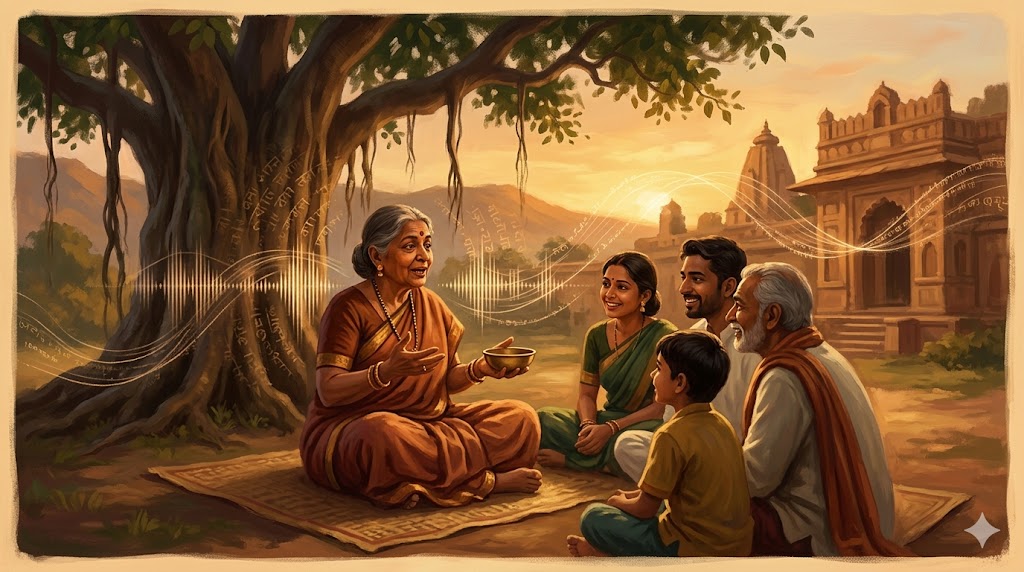
Audio is an unparalleled medium for transmitting India's vast cultural heritage stories because it seamlessly aligns with the subcontinent's ancient and deeply ingrained oral storytelling traditions. It transforms passive consumption into an immersive, imaginative experience, allowing listeners to connect intimately with narratives through authentic voice artistry, intricate soundscapes, and the emotional nuances only the human voice can convey. Furthermore, audio platforms offer unprecedented accessibility, enabling these diverse tales—from the grandeur of the Mahabharata to the wisdom of Panchatantra—to reach global audiences and preserve endangered linguistic and narrative forms for future generations, irrespective of literacy levels or geographical barriers.
India's cultural fabric is intricately woven with stories, passed down through millennia. Before the advent of widespread literacy, oral traditions were the primary conduits for transmitting knowledge, values, history, and entertainment. This rich legacy is evident in various ancient storytelling forms:
These traditions fostered community bonds, instilled moral lessons, and kept ancient languages vibrant, demonstrating that storytelling in India is not merely entertainment but a profound means of cultural preservation and education.
In the digital age, audio stands out as the perfect medium to revive, preserve, and disseminate India's cultural heritage stories, offering unique advantages that resonate deeply with both their historical context and modern consumption habits.
India's storytelling heritage is fundamentally oral. Audio, by its very nature, harks back to these roots, allowing narratives to be experienced as they were for centuries – through the spoken word. The human voice carries authority, emotion, and an intimacy that written text often cannot replicate. This authenticity is crucial for stories that were traditionally passed down from bards, sages, and grandparents.
Audio storytelling, whether through audio stories or audiobooks, transports listeners to imaginary worlds using only sound. Voice actors breathe life into characters, conveying nuances that evoke vivid mental imagery. Sound design further enhances this immersion, creating environments and atmospheres that engage the listener's imagination in a way few other mediums can. This engagement fosters a deeper connection to the narrative and its cultural context.
The rise of digital technology, smartphones, and affordable internet has made audio content incredibly accessible. Listeners can consume stories on the go, during commutes, or while relaxing at home. This is particularly vital in India, where diverse languages and varying literacy rates mean audio can reach broader audiences, including those in rural areas, making cultural heritage inclusive and widely available. Digital platforms also enable these stories to transcend geographical boundaries, reaching a global audience and fostering international understanding of Indian culture.
Many of India's languages and dialects are endangered. Audio provides a powerful tool for documenting and preserving these linguistic and narrative forms before they fade. Organizations like the National Cultural Audiovisual Archives (NCAA) are actively digitizing thousands of hours of audio and video content to safeguard India's shared heritage. By capturing stories in their original spoken form, complete with regional accents and dialects, audio ensures that the true essence of these traditions is maintained for future generations. For voice artists, this presents a unique opportunity to contribute to a profound act of cultural preservation. You can learn more about contributing your voice to such important projects by exploring Storiyaa's creation tools.
The human voice is a potent instrument for conveying emotion, wisdom, and moral lessons. Indian heritage stories often carry profound ethical and philosophical messages. A skilled narrator can articulate these nuances, making the narratives more impactful and memorable. This is especially true for children, for whom listening to audio stories helps develop creativity and imagination, providing moral grounding without the distractions of visual media.
India's narrative treasury is vast, with many genres lending themselves exceptionally well to the audio format:
The grand epics of India, such as the Ramayana and the Mahabharata, are cornerstones of Indian culture. Their intricate plots, numerous characters, philosophical depths, and moral dilemmas come alive through dynamic narration and character voice acting, offering listeners a profound journey into ancient Indian thought and heroism. Audio stories like "The History of India Audio stories" already explore these ancient narratives, demonstrating their audio appeal.
Collections like the Panchatantra and Jataka Tales are renowned for their animal fables and moral lessons, appealing to all ages. Regional folklores, such as those from Bengal (e.g., Thakurmar Jhuli) or Rajasthan, are rich with local flavors, dialects, and unique characters that truly shine when brought to life by authentic voices. Audio makes these vibrant, often humorous, tales accessible to children and adults alike.
Stories of gods, goddesses, mythical creatures, and ancient legends from various pantheons are integral to Indian cultural identity. Audio allows for the rich descriptive language and evocative imagery to flourish, enabling listeners to visualize divine realms and heroic feats in their minds. Many platforms already feature audiobooks on Indian mythology.
From the rise and fall of great empires to the lives of influential figures, India's history is replete with compelling narratives. Audio documentaries and historical drama series can bring these accounts to life, making history engaging and understandable for a wider audience. Audio offers a fresh perspective on historical events, connecting listeners to the past.
For voice artists and sound designers, this presents a burgeoning field of opportunity. Bringing Indian heritage stories to audio requires a unique blend of skill and sensitivity:
Platforms like Storiyaa provide a perfect space for voice artists to showcase their talent in bringing these rich narratives to life. Browse Stories on our platform to hear how diverse voices captivate audiences.
While the potential of audio for Indian cultural heritage is immense, certain challenges and opportunities exist:
The future of audio storytelling in India is bright, with platforms like Storiyaa poised to empower voice artists and storytellers to contribute to this cultural renaissance. If you're a voice artist keen to be part of this movement, consider to find the best fit for your journey.
India's cultural heritage stories, with their deep roots in oral tradition, intricate narratives, and profound moral lessons, find their most natural and potent expression in the audio medium. Audio storytelling offers an intimate, immersive, and accessible way to preserve these invaluable treasures, connecting generations and cultures across the globe. For voice artists, dubbing professionals, and sound designers, it's a call to action—to lend their voices and creativity to a cultural movement that ensures the timeless tales of India continue to inspire, educate, and entertain for centuries to come. By embracing audio, we don't just tell stories; we safeguard a civilization's soul.